
Best Yoga Poses for Beginners
Yoga isn’t just about stretching — it’s about balance, mindfulness, and strength. For those new to fitness or seeking a calm way to get in shape, beginner yoga poses offer the perfect start. You can easily begin your home yoga practice with minimal space and zero equipment.
In this guide, we’ll explore simple yet powerful flexibility exercises that form the foundation of any effective fitness routine.
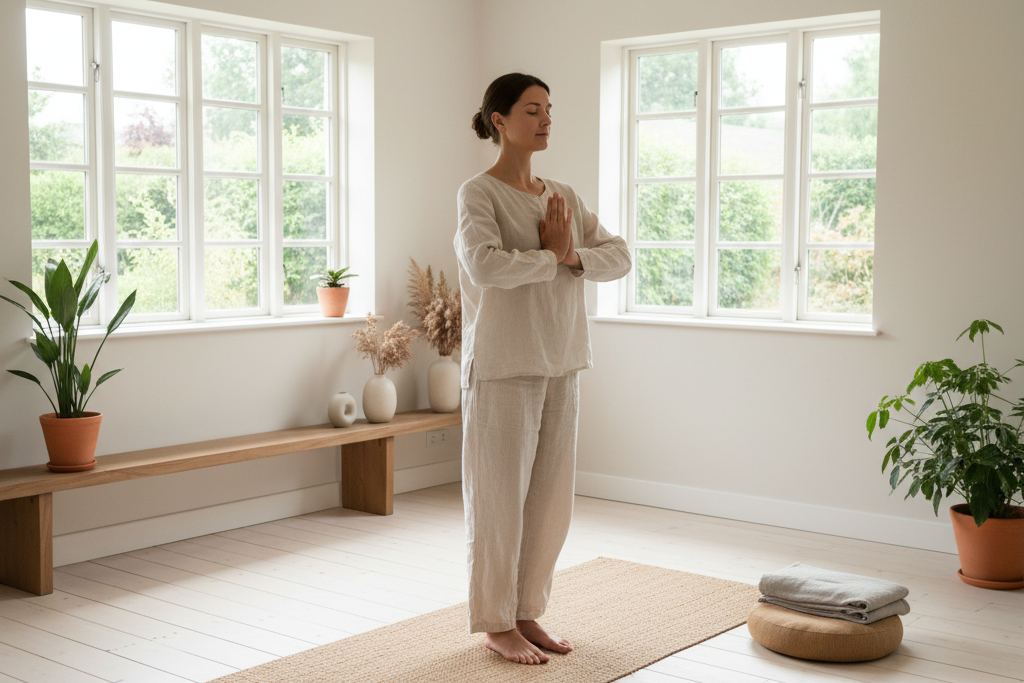
Table of Contents
- Why Yoga Is Ideal for Beginners
- Benefits of Practicing Yoga at Home
- Essential Tips Before Starting Yoga
- 10 Best Yoga Poses for Beginners
- Common Mistakes to Avoid
- How to Create a Simple Daily Routine
- Final Thoughts
Why Yoga Is Ideal for Beginners
Yoga is one of the most adaptable forms of exercise. Whether you’re young or old, flexible or stiff, there’s a pose for you. It doesn’t demand heavy lifting or expensive gear — just your body, a mat, and an open mind.
Unlike high-intensity workouts, yoga gently builds strength and flexibility while also calming your mind. That’s why it’s perfect for anyone beginning their fitness routine.
Benefits of Practicing Yoga at Home
- Improves Flexibility: Gradual stretching increases your range of motion and reduces stiffness.
- Enhances Posture: Regular yoga corrects slouching and strengthens your spine.
- Boosts Mental Clarity: Deep breathing lowers stress and enhances focus.
- Supports Weight Management: Consistent home yoga practice helps regulate metabolism.
- Increases Strength: Many poses engage multiple muscles at once, improving stability and tone.
Essential Tips Before Starting Yoga
Before diving into poses, follow these quick tips:
- Practice on an empty stomach (wait at least 2 hours after eating).
- Use a comfortable mat to prevent slipping.
- Focus on breathing — inhale deeply, exhale slowly.
- Don’t push your body; move gradually into each pose.
- Consistency matters more than intensity.
10 Best Yoga Poses for Beginners
Let’s go through ten beginner-friendly yoga poses that improve flexibility, balance, and relaxation.
1. Mountain Pose (Tadasana)
The foundation of all standing poses.
How: Stand tall, feet together, shoulders relaxed. Distribute weight evenly and breathe deeply.
Benefits: Improves posture and awareness.
2. Downward-Facing Dog (Adho Mukha Svanasana)
How: Start on hands and knees, lift hips up to form an inverted “V.”
Benefits: Stretches hamstrings, spine, and shoulders. Builds upper body strength.
3. Child’s Pose (Balasana)
How: Kneel, sit on heels, and stretch arms forward while lowering your forehead to the mat.
Benefits: Calms the mind and relieves back tension — ideal rest pose.
4. Cat-Cow Pose (Marjaryasana-Bitilasana)
How: Move between arching (cow) and rounding (cat) your spine while breathing rhythmically.
Benefits: Increases spinal flexibility and improves circulation.
5. Warrior I (Virabhadrasana I)
How: Step one foot forward, bend your knee, and raise arms overhead.
Benefits: Strengthens legs, stretches hips, and enhances focus.
6. Tree Pose (Vrikshasana)
How: Stand on one leg, place the other foot on your thigh or calf, and bring palms together in front of your chest.
Benefits: Builds balance and stability.
7. Cobra Pose (Bhujangasana)
How: Lie face down, place hands under shoulders, and lift chest while keeping elbows slightly bent.
Benefits: Strengthens the back and opens the chest.
8. Bridge Pose (Setu Bandhasana)
How: Lie on your back, bend knees, and lift hips toward the ceiling.
Benefits: Strengthens glutes and spine, improves digestion.
9. Seated Forward Bend (Paschimottanasana)
How: Sit with legs extended, reach forward to touch toes (or as far as possible).
Benefits: Increases hamstring flexibility and reduces anxiety.
10. Corpse Pose (Savasana)
How: Lie flat on your back, arms relaxed, eyes closed.
Benefits: Encourages relaxation and mindfulness — essential for ending any home yoga practice.
Common Mistakes to Avoid
- Forcing your body into poses — it can lead to injury.
- Holding your breath — always breathe naturally.
- Comparing yourself to others — progress is personal.
- Skipping warm-up or cool-down sessions.
How to Create a Simple Daily Yoga Routine
For beginners, start with 15–20 minutes daily, combining:
- Warm-up (5 minutes) – stretches like Cat-Cow and Child’s Pose.
- Main poses (10 minutes) – Warrior, Tree, and Downward Dog.
- Relaxation (5 minutes) – finish with Savasana or deep breathing.
Gradually increase duration as your flexibility improves. Practicing in the morning enhances energy, while evenings promote better sleep.
Final Thoughts
Starting a home yoga practice is one of the best investments in your health. You’ll gain strength, flexibility, and peace of mind — all at your own pace.
Remember, yoga is not about perfection; it’s about progress. Stay patient, breathe deeply, and enjoy every step of your journey.
In just a few weeks of consistent beginner yoga poses, you’ll notice better balance, posture, and mental clarity — proof that transformation begins within.
📲 Stay connected! Follow us on Instagram and Facebook for the latest updates and news.